

Hama Natto
made in Japan
Hama Natto is a rare traditional fermented condiment that was introduced from China roughly 1,500 years ago alongside the arrival of Buddhism in Japan. Initially produced as a preserved food and medicine for Zen temples, its use as military provisions and preserved food was later encouraged during Japan's Edo era, leading to Hama Natto becoming widely produced in Hamamatsu, Shizuoka Prefecture. Its rarity stems from its unique flavour and labour-intensive production method, which makes mass-production difficult in modern times. For that reason, only a handful of select businesses produce it today.
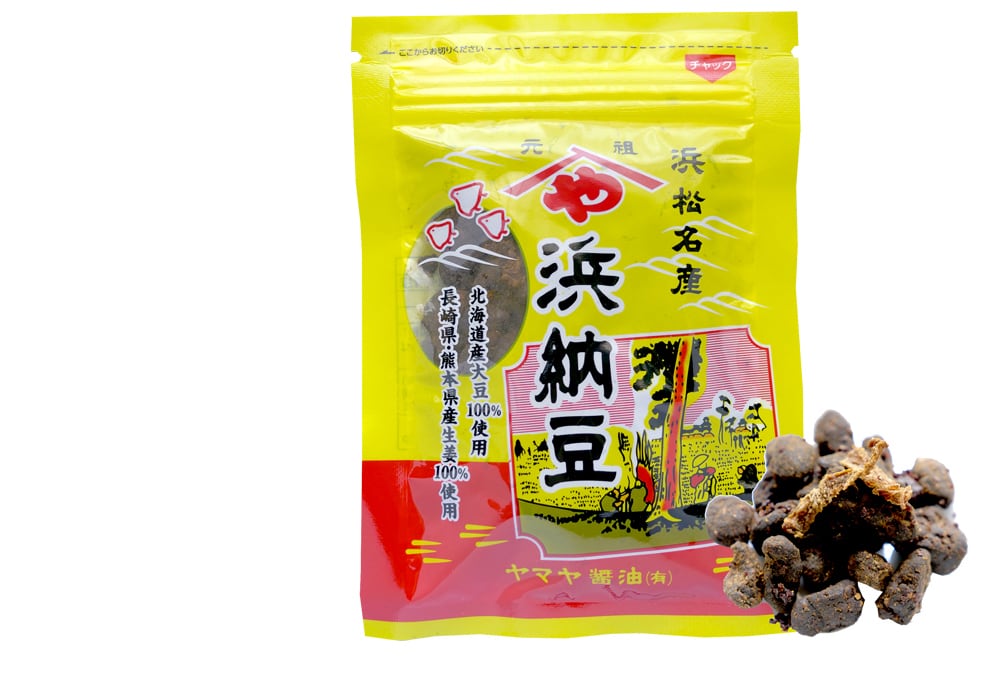
In the 1850s, is when liberalism and nationalism spread across Europe, Japan began trade and diplomatic relations with the West. In the midst of this global transformation in 1850, Yamaya Shoyu Co., Ltd. was founded in Hamamatsu, Shizuoka Prefecture. Since then, we have continued to manufacture and distribute fermented soybean seasonings. We uphold the traditional methods passed down since Edo era in Japan, with our seventh-generation owner continuing today to produce everything by hand throughout the entire process.
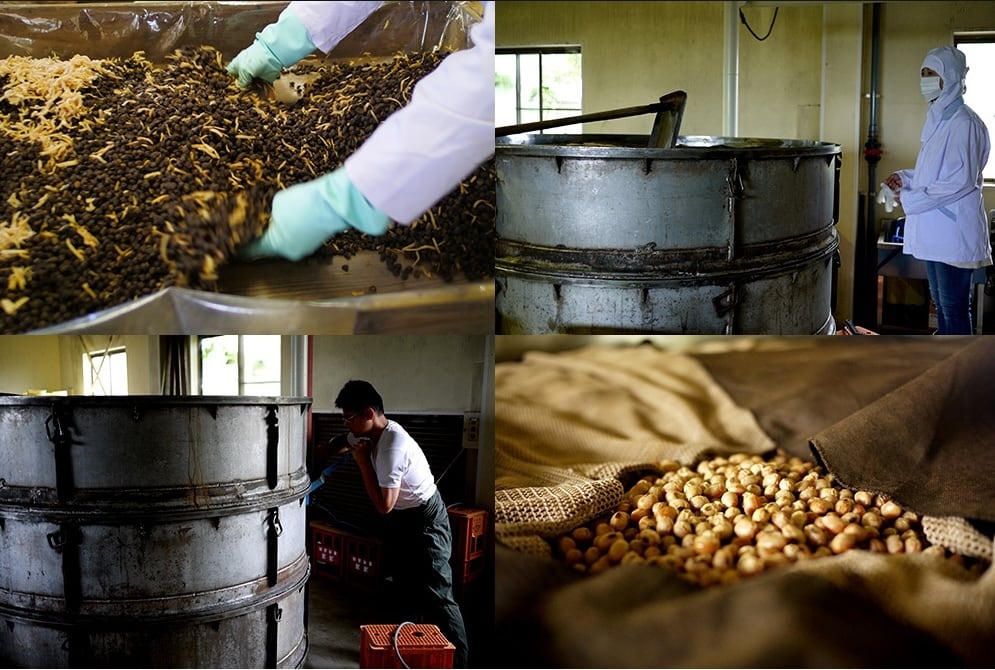
Hama Natto is a fermented soybean product manufactured solely with premium large-grain soybeans from Hokkaido, Japan, salt, and Japanese ginger. Each individual soybean is meticulously hand-inoculated with koji (traditional Japanese ingredient made by growing a mold called koji-kin on steamed rice) mould and aged for roughly 15 months in cedar barrels, after which the soybeans are sun-dried. For more than a century now, we have not deviated from this production method.
The resulting flavour resembles miso, but possesses a deeper richness. A concentration of UMAMI, Hama Natto is renowned as a secret ingredient in cooking.Given that it is made by steaming, fermenting, and aging the whole soybean in its entirety, Hama Natto is also recommended for those who practise anti-ageing or macrobiotic lifestyles.

Collaboration with a Michelin one-star chef in Paris
Hama Natto contains exceptionally high levels of glutamic acid, a type of amino acid found in abundance in the likes of kelp, tomatoes, and cheese that is a representative component of ‘UMAMI’. Its glutamic acid content is 1.4 times that of anchovies and 4 times that of miso. Hama Natto is gaining attention as a clean-label seasoning to add UMAMI to dishes in place of Chinese seasonings such as fermented black beans or anchovies.

Hama Natto and Gougère with Hazelnut and Comté Cheese
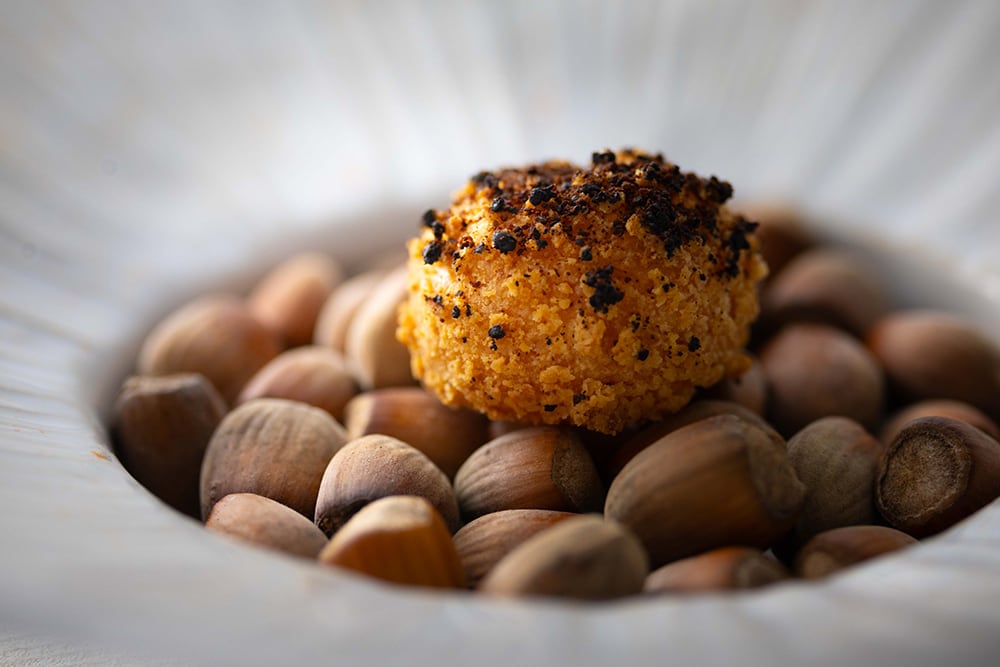
Hama Natto is paired with cheese to create this traditional choux pastry from the Burgundy region of France. The salty flavour, a product of mutual fermentation, makes this pastry a perfect aperitif companion.
Limousine Beef and Oyster Tartare with Hama Natto Mayonnaise
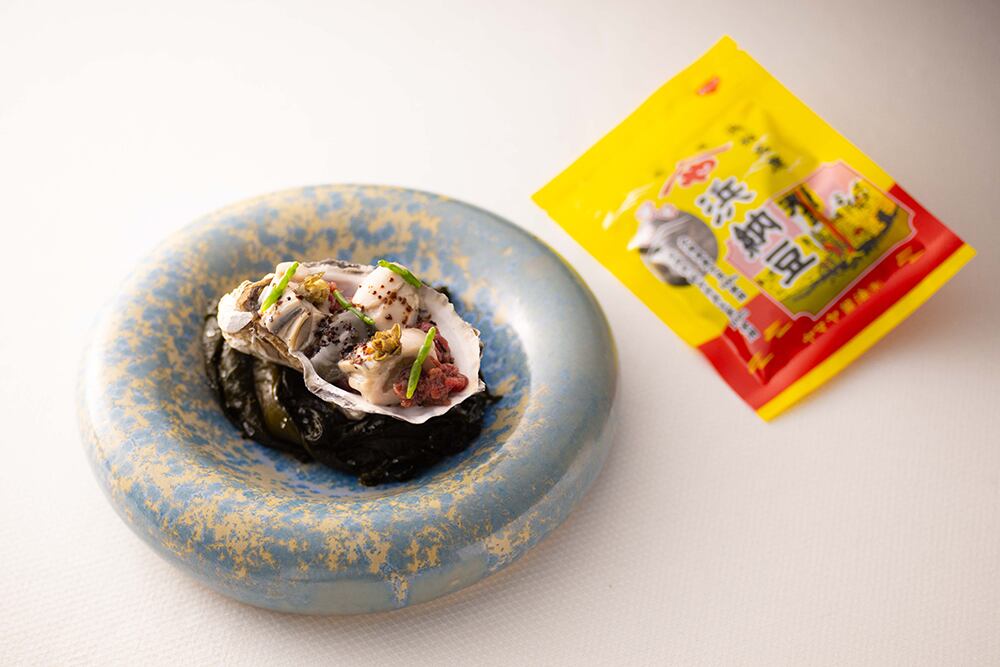
Hama Natto is soaked in brine as part of its production process. That inspired the pairing with oysters, which are nurtured by the minerals of the sea. As both possess the strong umami of glutamic acid, this dish promises an even greater synergy of UMAMI.
Eel, Foie Gras and Aubergine with Sesame Paste,Wrapped in Crispy Part filo.Red Wine and Hama Natto Sauce
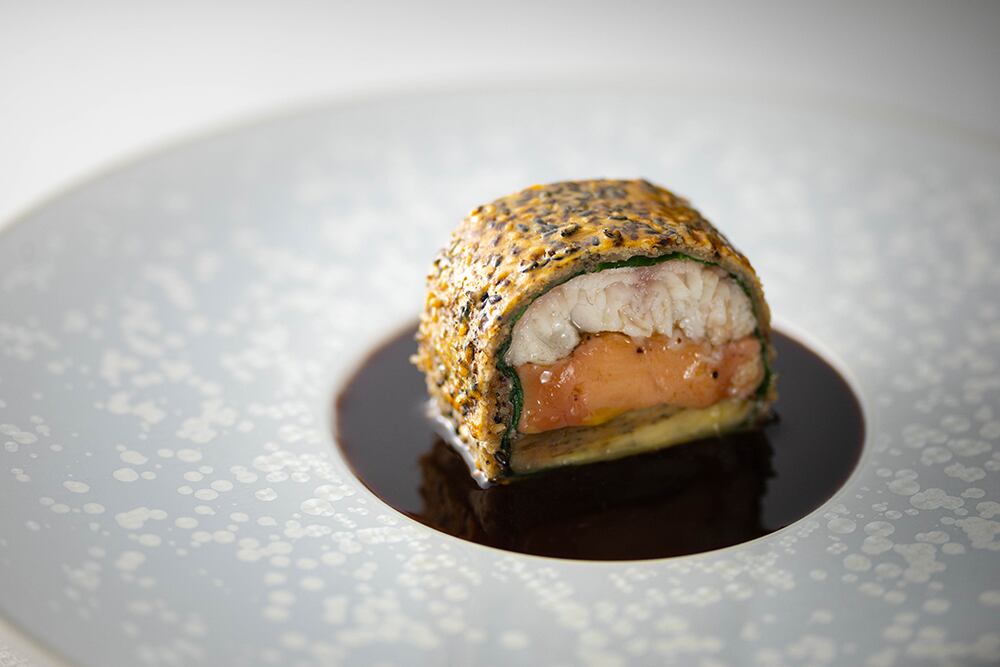
Hama Natto's production area ‘Hamamatsu’ is also renowned for eel farming. Eel, when classically prepared French style, is served with red wine sauce. Adding the umami of Hama Natto to this sauce expands its UMAMI and richness. The result is a pleasantly complex flavour.
Hama Natto Praline and Soufflé Au Chocolat Hama Natto and Hazelnut Ice Cream
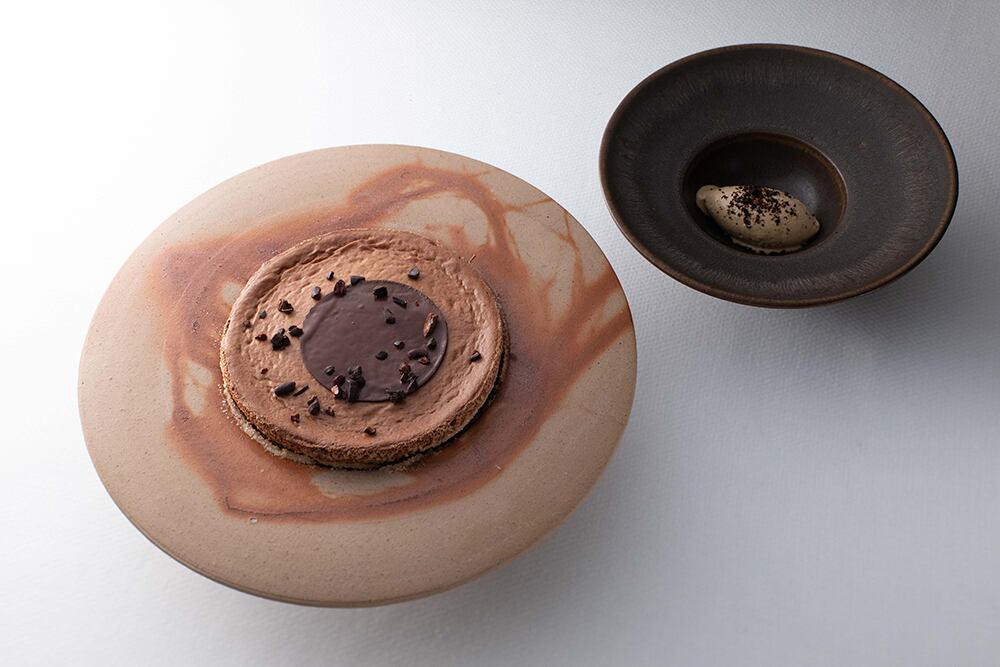
Both Hama Natto's UMAMI and refined acidity are well-matched with chocolate. This warm chocolate soufflé dessert allows Hama Natto to stand out in particular, strongly hinting at its potential as a spice for desserts. Top ice cream with Hama Natto for another perfect union.
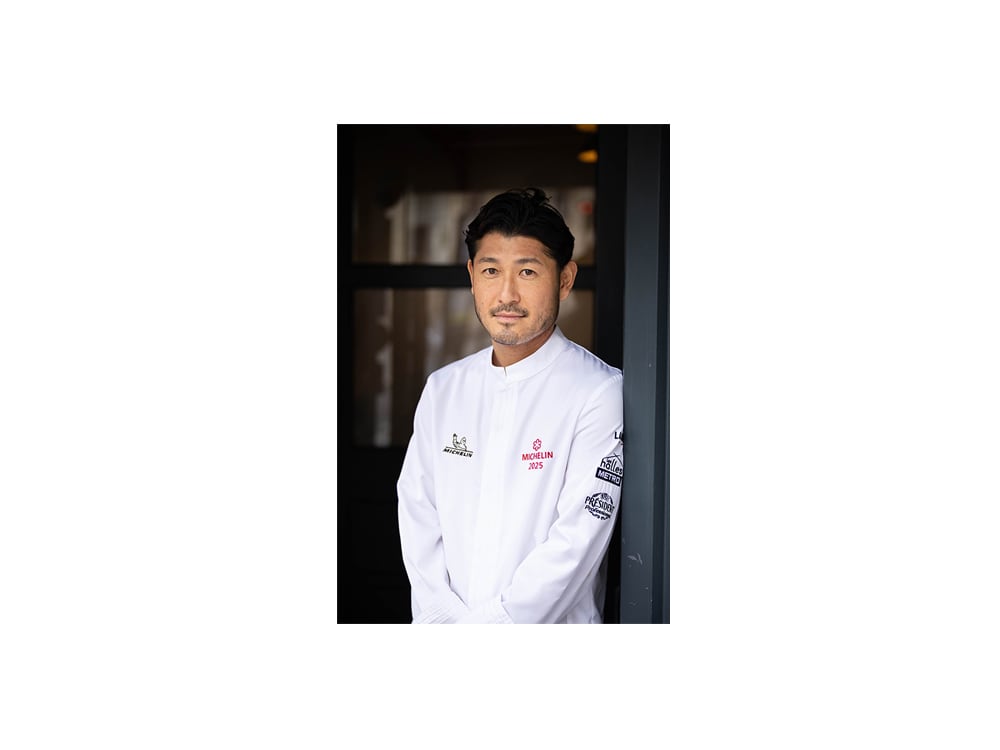
Head Chef
Toshi Nagato | One Michelin Star
Born in Hamamatsu, Shizuoka Prefecture in 1986. Moved to France in 2011. Appointed as chef at L'Agapé in 2023 after working at Maison Rostang and other establishments.
One Michelin star since 2024.
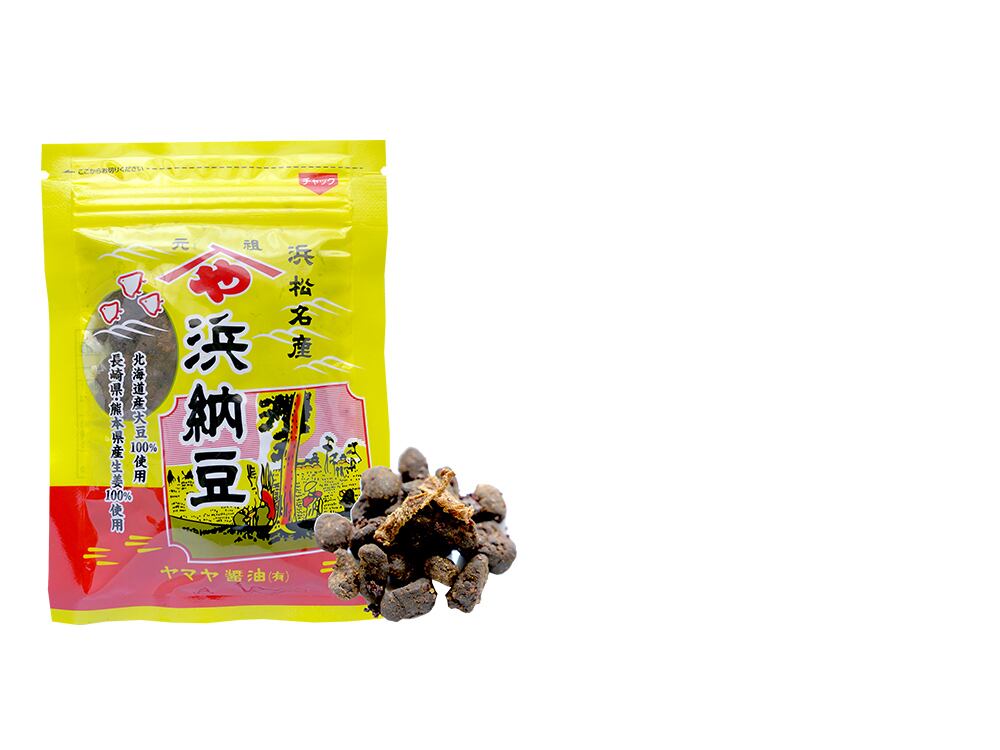
Hama Natto (Whole Bean)
Ingredients: Soybeans, salt, ginger
Net weight: 86g, 38g.
Storage: Room temperature
Best before: 540 days from production date
Hama Natto (Powder Type)
Ingredients: Soybeans, salt
Net weight: 48g
Storage: Room temperature
Best before: 540 days from production date

We seek to link the region's food culture to the future based on the themes of soybeans, koji malted rice, and fermentation. In a digital society such as ours, Hama Natto may come off as being inefficiently produced given that over a year is spent making it by hand. Nonetheless, in terms of preserving tradition as well, we believe this aspect must remain unchanged.
At the same time, merely preserving tradition keeps its positive aspects from being widely recognised. With Hama Natto, we seek to propose solutions suited to modern dietary lifestyles while striking a balance between preservation and innovation. Hama Natto is used in school lunches at elementary and junior high schools in Hamamatsu, Shizuoka Prefecture. Dishes containing Hama Natto as a secret ingredient are popular with children. Among them, curry containing Hama Natto appears to be a particular favourite.

TOSHIYUKI KINPARA
Yamaya Shoyu Co., Ltd.
7th family head /CEO
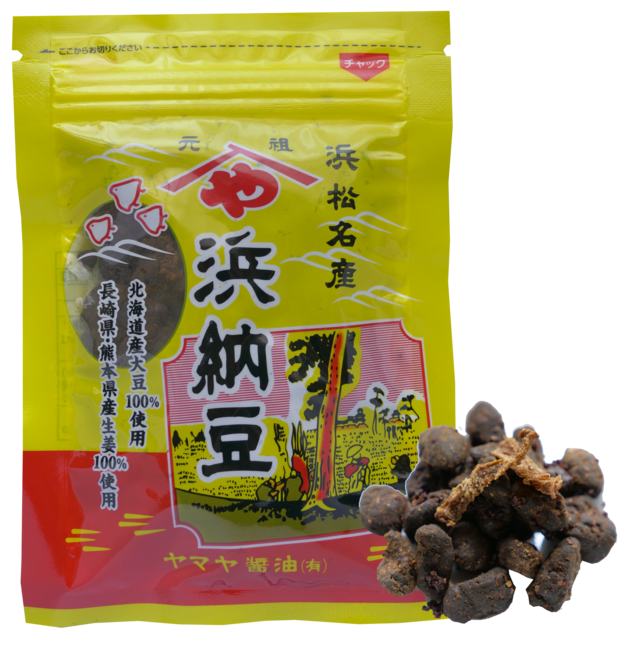
Hamanatto - Artisan Pack(86g) 〜Plant-Based Umami Booster〜
¥3,000($18.94)
Hamanatto is traditional Japanese fermented seasoning, which was born in the temple kitchens of medieval Japan. It undergoes over 12-month fermentation and drying process. It develops a powerful, complex umami depth-comparable to anchovy or aged parmesan, yet entirely plant-based. Hamanatto has special place of honor in the kitchen, not only because of its Umami, but also because it has a number of unique properties: *Rich in Glutamine, which is responsible for a pleasurable taste sensation, the Umami taste. *Rich in protein and packed with probiotics, which offers digestive benefits *Incredible long-history using centuries-old fermentation techniques Ingredients: Soybeans, salt, ginger Net weight: 86g Storage: Room temperature Best before: 540 days from production date

Hamanatto - Artisan Pack (12×86g) 〜Plant-Based Umami Booster〜
¥36,000($227.30)
Hamanatto is traditional Japanese fermented seasoning, which was born in the temple kitchens of medieval Japan. It undergoes over 12-month fermentation and drying process. It develops a powerful, complex umami depth-comparable to anchovy or aged parmesan, yet entirely plant-based. Hamanatto has special place of honor in the kitchen, not only because of its Umami, but also because it has a number of unique properties: *Rich in Glutamine, which is responsible for a pleasurable taste sensation, the Umami taste. *Rich in protein and packed with probiotics, which offers digestive benefits *Incredible long-history using centuries-old fermentation techniques Ingredients: Soybeans, salt, ginger Net weight: 86g Storage: Room temperature Best before: 540 days from production date
